How Emerging Platforms Are Redefining Skill Development for Remote Casino Dealers
Finley Becker · Sep 7, 2026
How Emerging Platforms Are Redefining Skill Development for Remote Casino Dealers
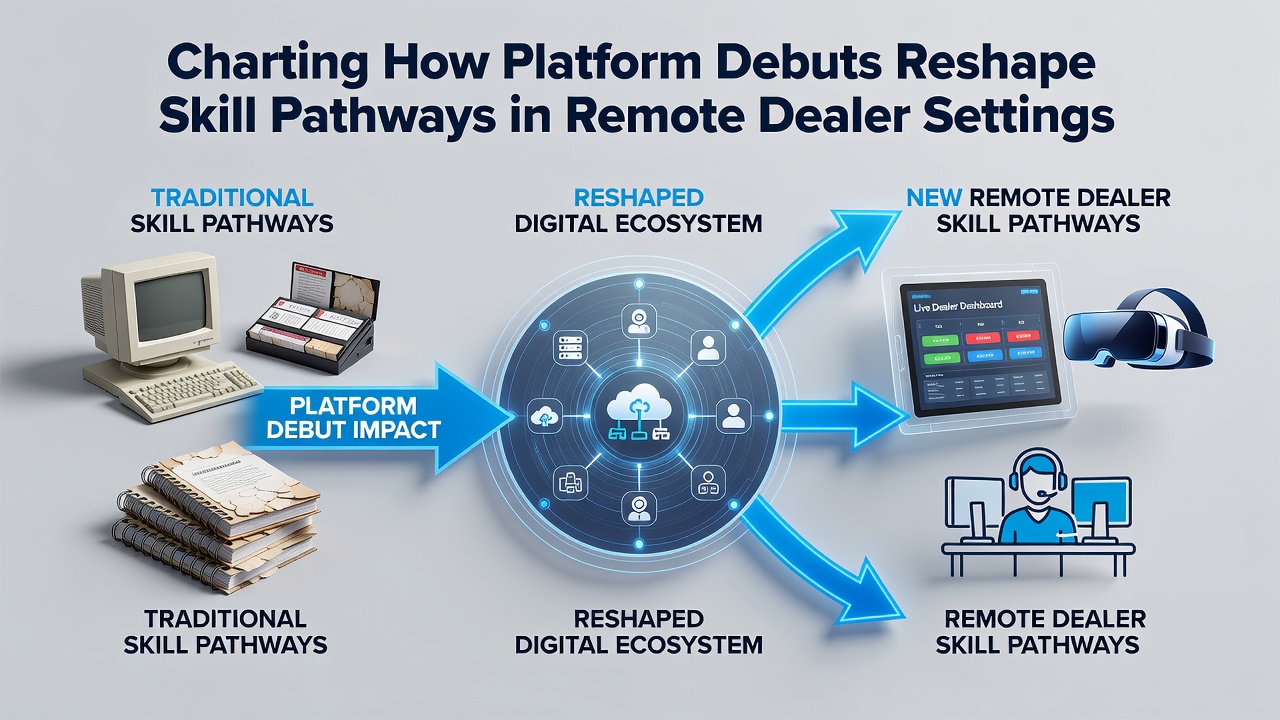
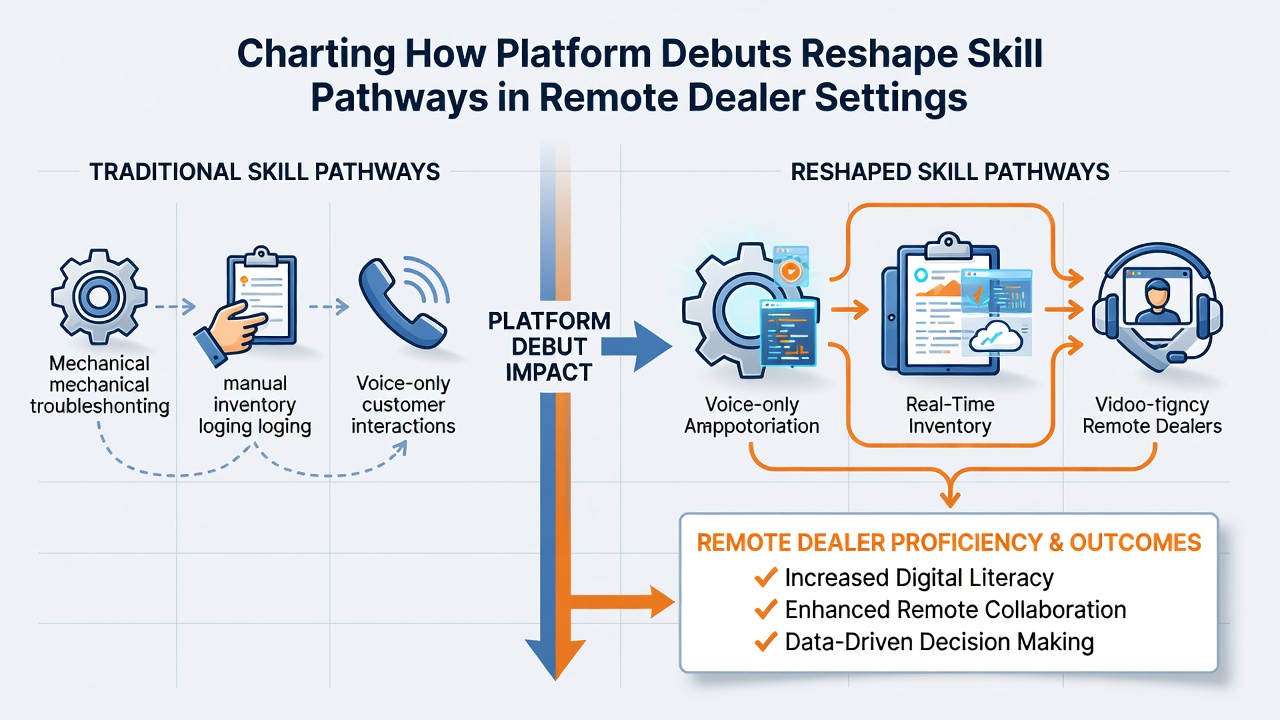
Platform launches in the live casino sector continue to alter the competencies required of remote dealers, with each debut introducing interfaces, streaming protocols, and interaction tools that demand updated training sequences. Data from industry reports indicate that dealers must master new software dashboards within weeks of a platform rollout, while regulatory standards from bodies such as the Malta Gaming Authority require documented proficiency in these systems before live operations begin.
Training pathways now incorporate modules on multi-camera synchronization and real-time chat moderation, skills that gained prominence after several major platform updates in 2025. Observers note that dealers previously focused on basic game mechanics now allocate substantial portions of their preparation time to learning adaptive algorithms that adjust table limits or suggest betting patterns based on player behavior data.
Initial Platform Rollouts and Core Competency Shifts
When a new streaming platform enters the market, remote dealers encounter changes in how they manage card handling visibility and audio cues, because the underlying technology alters frame rates and latency thresholds. Studies conducted by European research institutions show that dealers completing targeted simulation exercises achieve operational readiness 30 percent faster than those relying on generic onboarding alone. These exercises replicate the exact latency profiles and overlay graphics that appear once the platform goes live.
September 2026 marks the scheduled debut of two additional platforms that integrate augmented reality elements for card placement verification, which will require dealers to interpret holographic prompts while maintaining standard dealing rhythms. Regulatory filings from the Australian Communications and Media Authority list specific certification requirements for these AR-assisted workflows, pushing training providers to expand their curricula ahead of launch dates.
Advanced Training Modules Introduced by Successive Debuts
Successive platform introductions have layered additional requirements onto existing skill sets, particularly in areas of compliance logging and cross-device synchronization. Research compiled by the Canadian Gaming Association reveals that dealers trained on multiple platforms demonstrate higher accuracy rates in regulatory reporting tasks compared with specialists limited to a single environment. The association's 2025 survey tracked over 1,200 remote dealers across North American operators and found measurable gains in error reduction after structured cross-platform drills.
Dealers must also develop fluency in proprietary analytics dashboards that track session metrics in real time, a feature rolled out by several providers during late 2025. These dashboards feed directly into automated compliance checks, meaning any misinterpretation of the displayed statistics can trigger immediate review flags. Training programs now embed scenario-based assessments where dealers practice responding to simulated dashboard alerts while continuing live game flow.
Regional Regulatory Influences on Skill Pathways
Different jurisdictions impose distinct documentation standards that further shape how skill acquisition is sequenced. Nevada Gaming Control Board guidelines, for instance, emphasize audit trails for every dealer action on new interfaces, prompting training centers to include timestamped simulation logs as part of certification packages. In contrast, Singapore's regulatory framework prioritizes language localization modules, requiring dealers to demonstrate command of region-specific terminology before handling tables marketed to Southeast Asian audiences.
Industry organizations such as the European Gaming and Betting Association publish comparative analyses of these requirements, allowing training providers to align their programs with multiple regulatory environments simultaneously. The association's latest compilation covers platform-specific updates through the first half of 2026 and highlights common threads in dealer assessment criteria across borders.
Long-Term Effects on Career Progression
Over successive platform cycles, career advancement for remote dealers has become tied to documented mastery of each new system rather than tenure alone. Operators maintain internal records showing that dealers who accumulate certifications across three or more distinct platforms receive priority assignment to high-volume tables. This pattern appears consistently in workforce analytics shared by operators in both the European Union and Australian markets.
Continued platform evolution through 2026 and beyond is expected to sustain demand for specialized instructors who can translate technical specifications into practical dealing routines. Academic papers from gaming technology research centers document how these instructors bridge the gap between software engineering teams and front-line dealer staff, producing measurable improvements in session continuity metrics.
Conclusion
Platform debuts have established a recurring cycle in which new technical features directly dictate the sequence and depth of remote dealer training. Regulatory bodies across multiple regions enforce verification of these updated competencies, while industry data confirm that structured, platform-specific preparation correlates with higher operational accuracy. As additional launches approach in September 2026, the emphasis on adaptive skill pathways remains central to maintaining consistent performance standards in remote dealer settings.