Mapping Technological Milestones That Redefined Remote Dealer Interactions Over Time
Bianca Franke · Aug 23, 2026
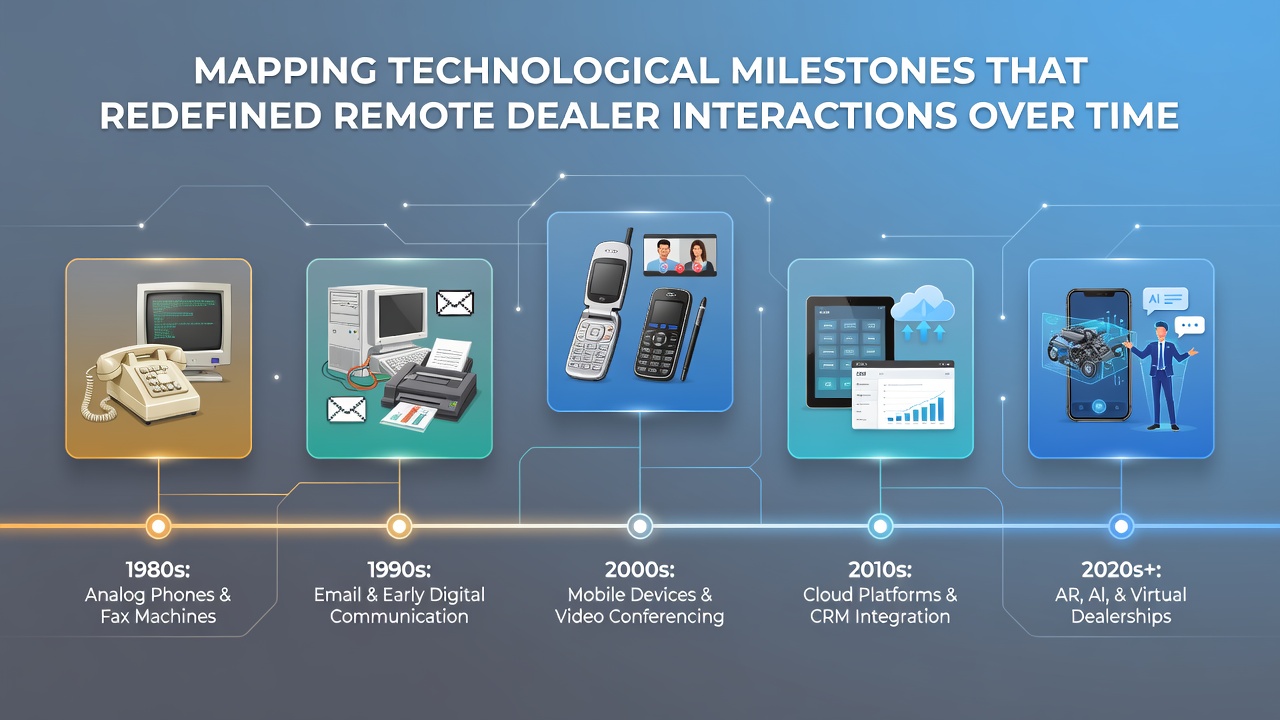
Mapping Technological Milestones That Redefined Remote Dealer Interactions Over Time
Remote dealer interactions have evolved through a series of distinct technological shifts that began in the late 1990s when operators first experimented with basic video transmission to connect physical tables with distant participants. Early systems relied on analog signals and low-resolution feeds that limited both visual clarity and real-time responsiveness yet established the foundation for live dealer formats that followed.
Initial Digital Transitions in the Early 2000s
By the early 2000s digital compression techniques allowed operators to replace analog connections with internet-based streams that delivered steadier images across greater distances. Research from industry reports shows that bandwidth improvements during this period reduced latency from several seconds to under one second in optimal conditions which made dealer gestures and card reveals feel more immediate to remote users. Those who tracked these changes note that regulatory bodies in North America such as the Nevada Gaming Control Board began outlining standards for video integrity that influenced how platforms verified dealer actions in real time.
Expansion Through High-Definition and Mobile Integration
High-definition cameras entered dealer studios around 2008 and 2009 which multiplied pixel counts and enabled multiple angles without sacrificing frame rates. Data from equipment manufacturers indicate that adoption of HD streams coincided with smartphone proliferation so operators developed dedicated apps that maintained dealer visibility on smaller screens while preserving audio synchronization. Observers point out that this phase introduced touch-screen controls allowing participants to place bets or request additional cards directly through the same interface displaying the dealer feed.
Wireless networks further supported these developments as 4G rollout expanded coverage in urban areas across Europe and Asia. Studies published by academic institutions in Australia documented how reduced packet loss on mobile connections improved the reliability of dealer-to-player communication during peak hours. The shift meant that interactions no longer required fixed desktop setups and instead traveled with users across daily routines.
Emergence of Augmented Features and Data Layers
Augmented overlays appeared next as software layers added statistics and game history directly beside the dealer video without interrupting the visual feed. Figures from technology providers reveal that these additions increased session durations because participants could review previous outcomes while the dealer continued physical actions at the table. Integration of optical character recognition helped automate result verification which cut down on disputes arising from misread cards or wheel outcomes.
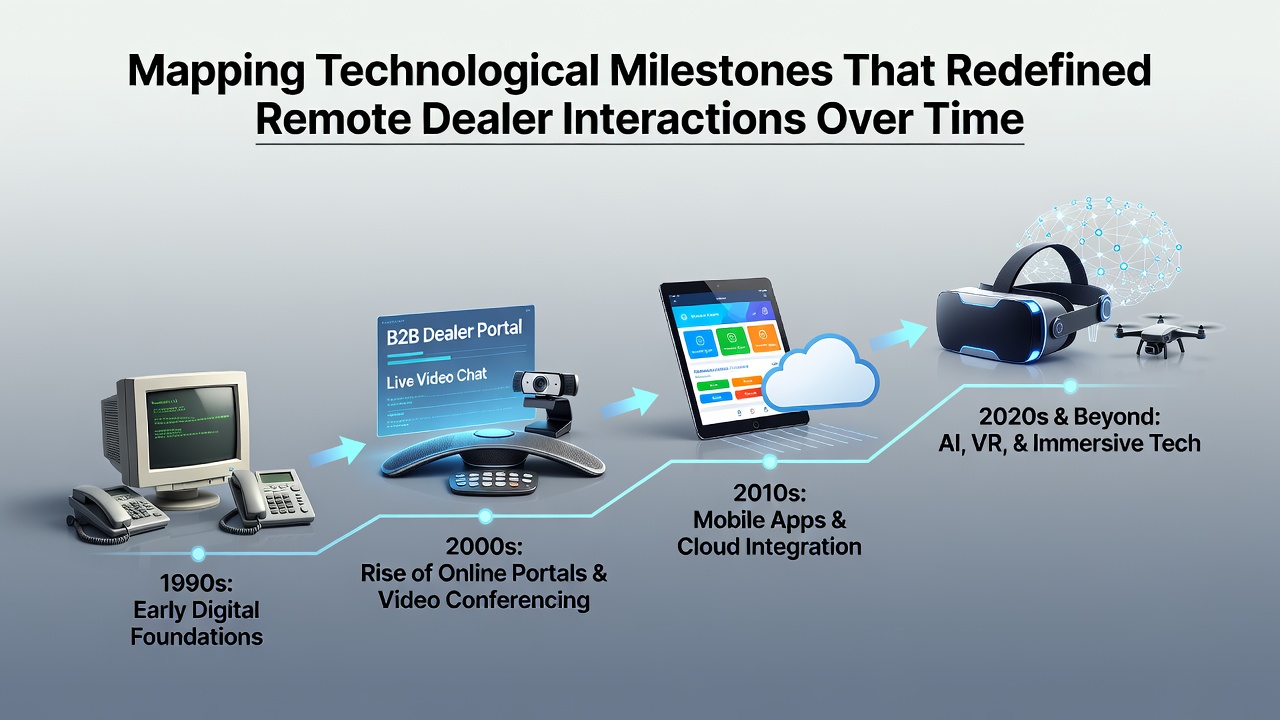
By the mid-2010s cloud-based rendering allowed studios to scale dealer tables dynamically based on demand rather than maintaining fixed hardware allocations. Industry analyses from the European Gaming and Betting Association highlight how this flexibility reduced downtime during high-traffic events and maintained consistent dealer presence across time zones.
Advancements Toward 2026 and Beyond
Artificial intelligence entered dealer environments through predictive analytics that anticipate player patterns while the dealer remains focused on physical gameplay. In August 2026 platforms continue testing low-latency 5G and early 6G prototypes that aim to bring sub-100-millisecond response times to remote interactions. Reports from Canadian regulatory reviews indicate ongoing evaluations of these networks for maintaining fairness standards when dealer movements are transmitted at higher speeds.
Virtual reality headsets represent another milestone where users can position themselves at a virtual table while the real dealer operates in a physical studio captured by 360-degree arrays. Research papers from technical universities in Singapore have examined how spatial audio enhances the sense of shared space without altering the dealer’s actual workflow. These systems still require stable connections yet demonstrate measurable improvements in engagement metrics according to controlled trials.
Conclusion
Each milestone built upon prior infrastructure whether through better compression, wider network access, or layered software tools. Regulatory frameworks across multiple jurisdictions adapted alongside these changes to address verification and security concerns that arose with each new transmission method. The cumulative effect has been a progressive refinement of how dealers and remote participants exchange actions and outcomes through increasingly sophisticated channels that continue to develop into 2026 and future years.